



Psychological First Aid(PFA)
Aug. 1, 2026
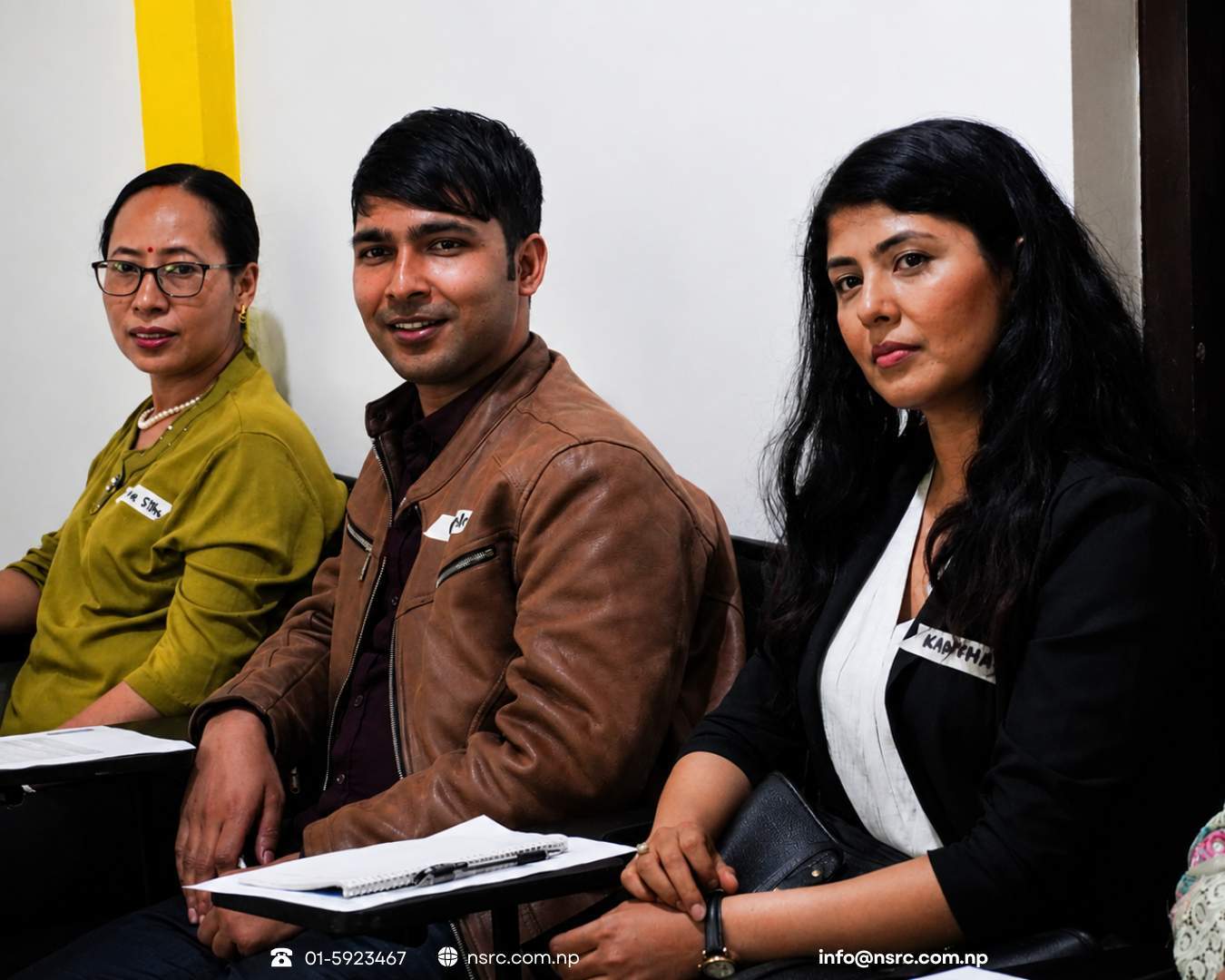
On 1st August 2026 (16th Shrawan 2083), the National Solution & Research Centre (NSRC), Tinkune-32, Kathmandu, hosted an interactive Psychological First Aid (PFA) training that brought together 14+ participants with a shared interest in learning how to support people during moments of emotional distress. The session focused on an important but often overlooked idea: when someone is struggling, we do not always need to have the perfect words or all the answers. Sometimes, healing begins simply by listening without judgment, showing empathy, and being genuinely present.
Facilitated by Ms. Alisha Adhikari, the training introduced participants to practical and evidence-based approaches for responding to individuals experiencing emotional difficulties. Rather than focusing only on theoretical knowledge, the session encouraged participants to understand how they can respond calmly and appropriately when someone is overwhelmed, distressed, or going through a difficult situation. Participants explored the importance of creating a sense of safety, listening with compassion, understanding emotional needs, and offering appropriate support without judgment.
Through the training, participants were encouraged to develop greater confidence in recognizing distress and responding in a way that respects the person’s feelings, dignity, and individual needs. These practical skills can be valuable not only in professional settings but also in everyday situations where someone may simply need a supportive person beside them.
The training highlighted the power of small, compassionate actions—listening carefully, communicating with empathy, staying calm, and helping a person feel heard and supported. These seemingly simple responses can become meaningful sources of comfort for someone going through a difficult moment.
A heartfelt thank you to all the participants for their active participation, enthusiasm, and commitment to learning and contributing toward a more compassionate and mentally healthier community. Because sometimes, one compassionate response, one listening ear, or simply being present can make all the difference.