






Mental Health First Responder Training Program ; Batch-1
June 6, 2026
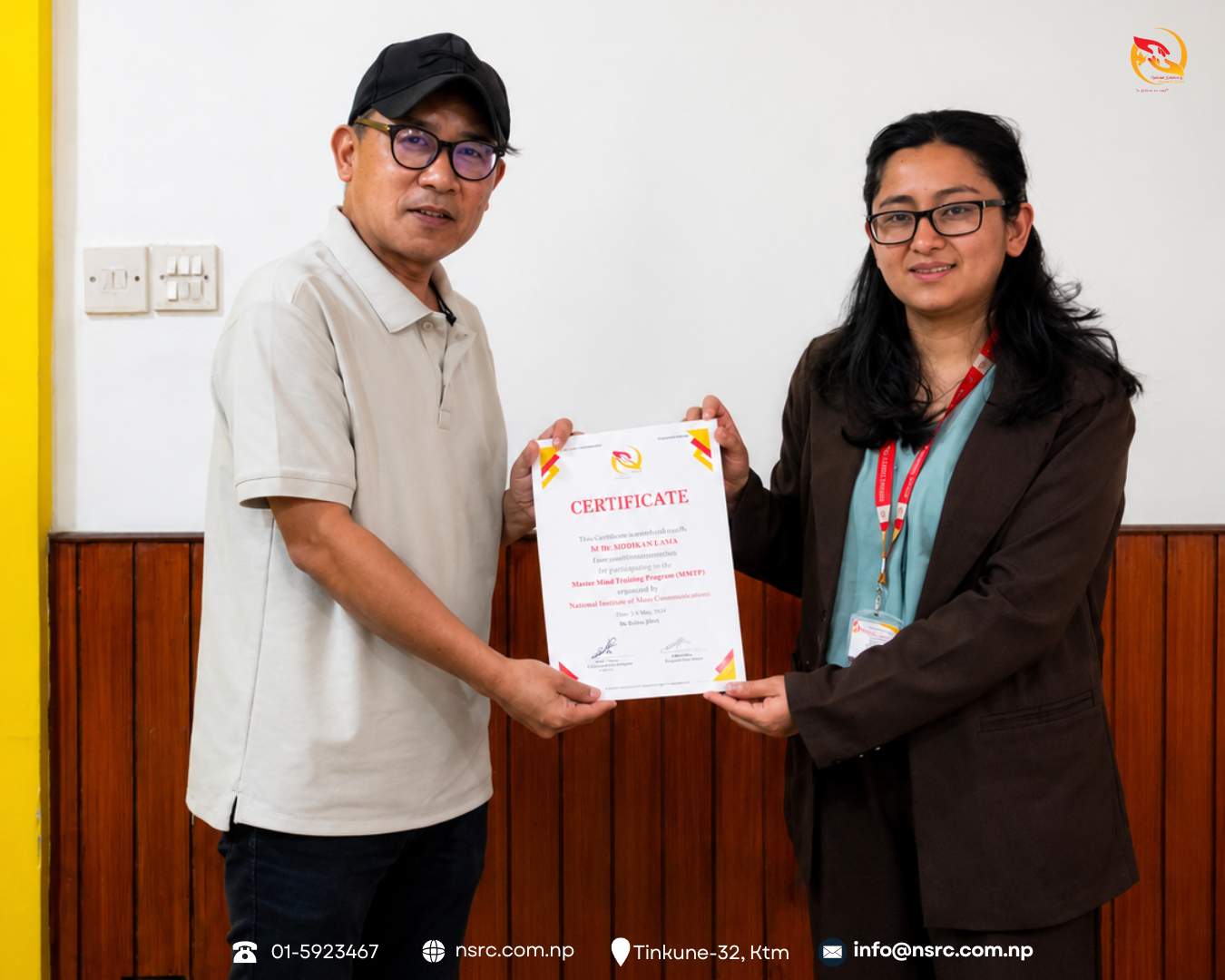
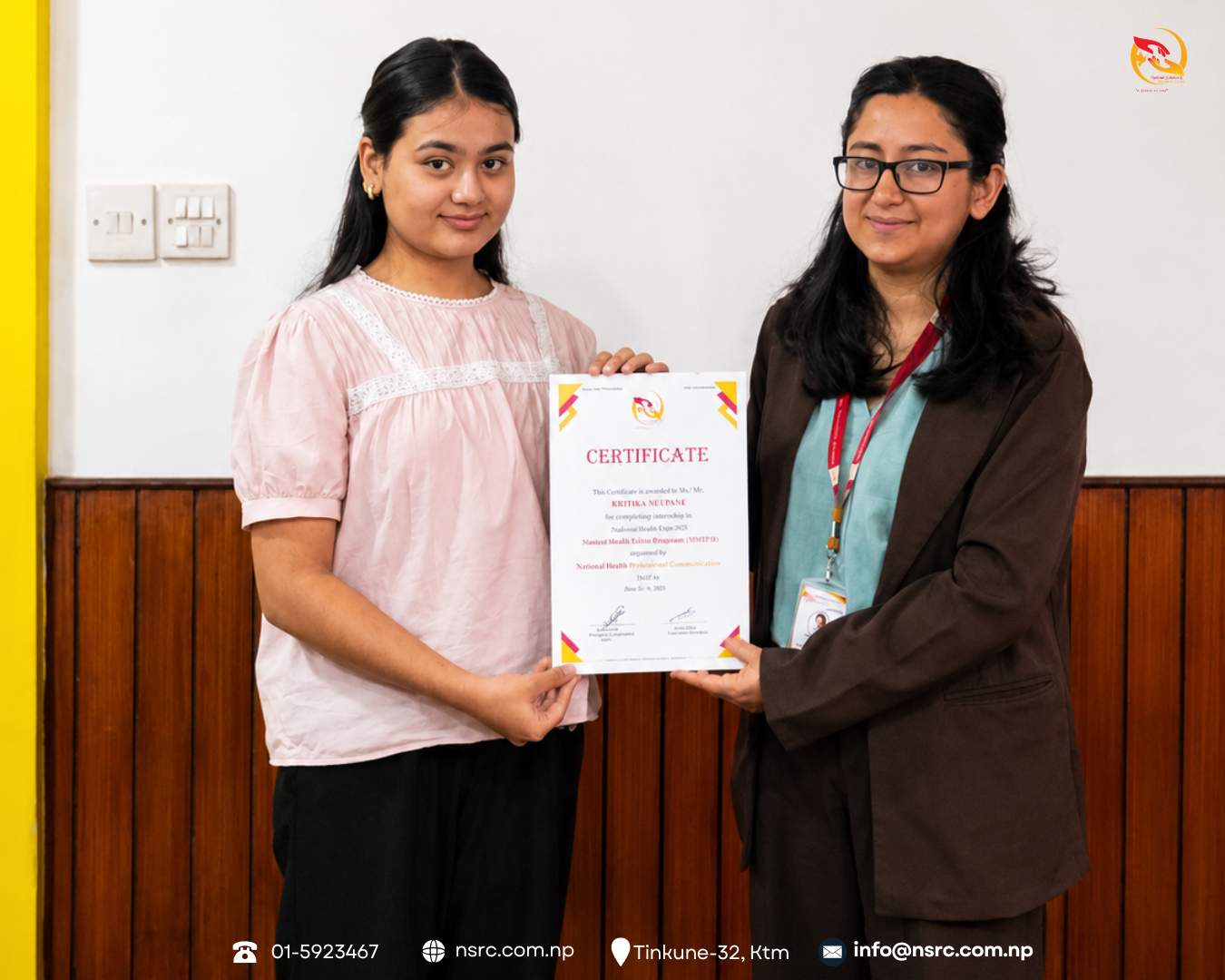
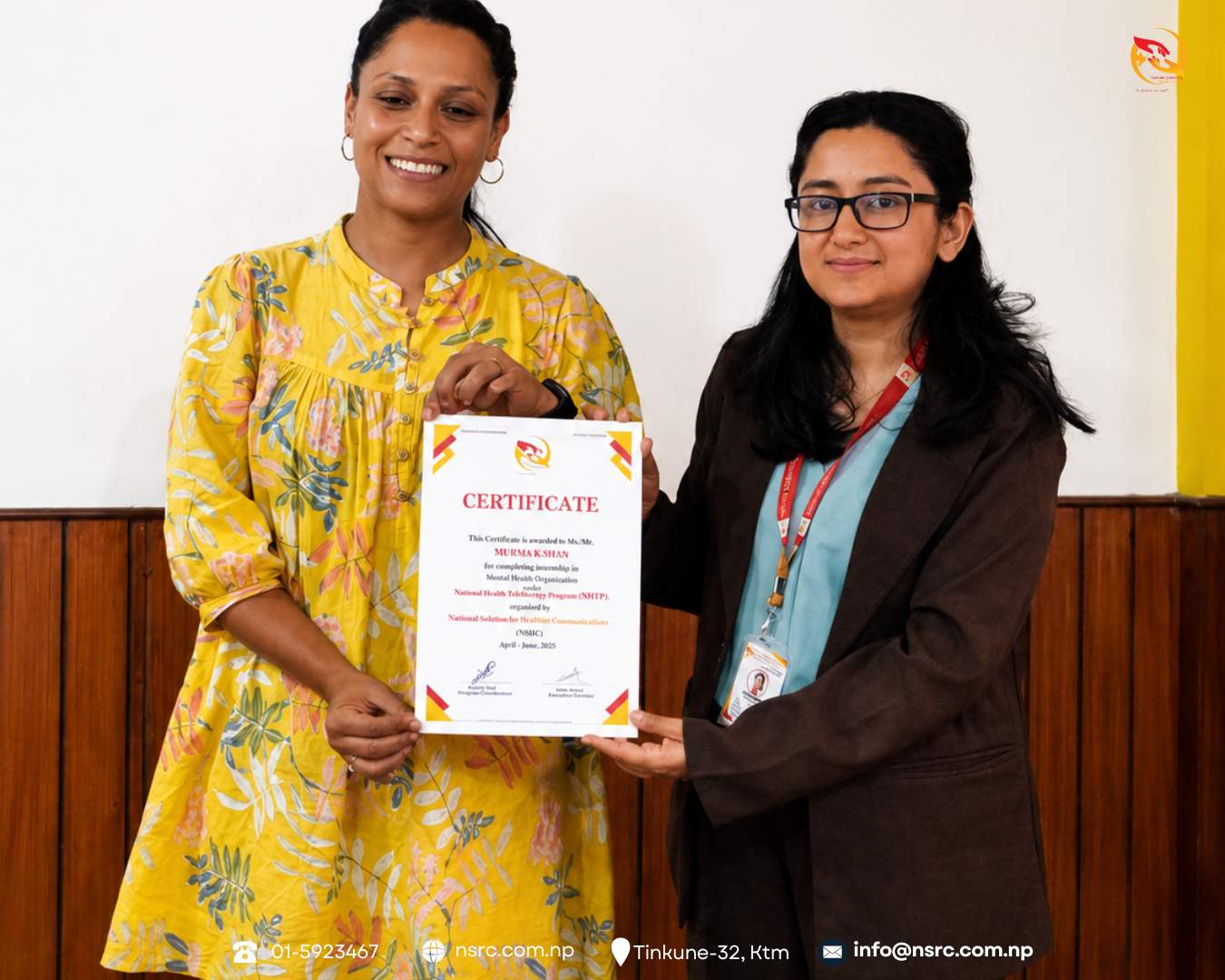
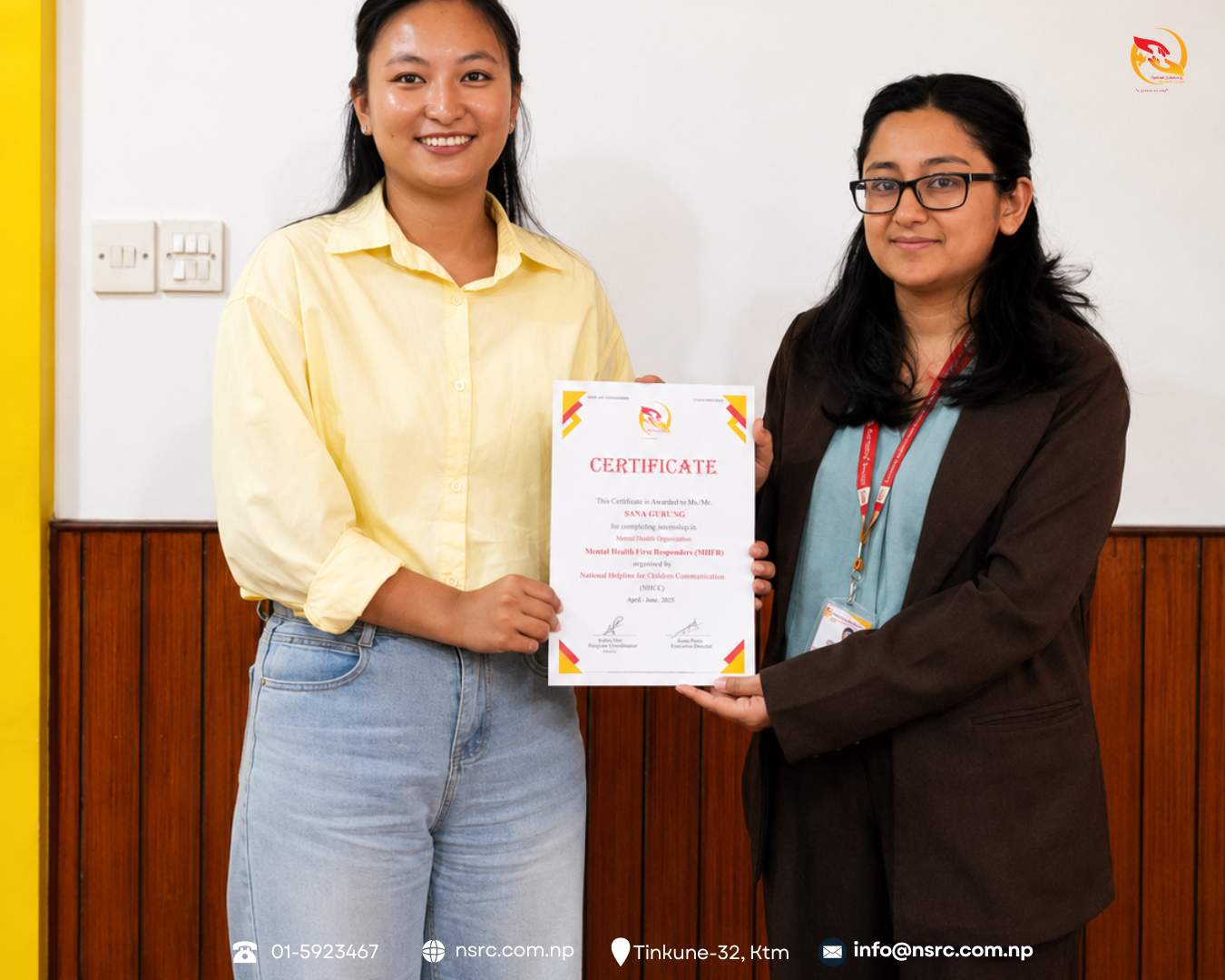
The National Solution and Research Center (NSRC) proudly conducted Nepal's first-ever Mental Health First Responder Training Program on Baishakh 23, 2083, marking a significant milestone in strengthening mental health crisis response and psychological emergency support in Nepal. This pioneering initiative was designed to equip participants with practical skills to recognize, respond to, and safely manage mental health crises until professional support can be accessed. Through this program, NSRC aims to foster a network of trained Mental Health First Responders capable of providing immediate, compassionate, and informed support to individuals experiencing psychological distress.
The training was successfully conducted on Baishakh 24th 2083- Batch 1, This intensive 3.5-hour interactive session was facilitated by Psychologist and Psychiatric Nurse Sujata Sitoula, who guided participants through evidence-based approaches to psychological first aid, crisis intervention, and emergency mental health response. Participants actively engaged throughout the session, contributing to meaningful discussions and practical learning experiences.
The training curriculum focused on some of the most critical mental health emergencies commonly encountered in schools, workplaces, healthcare settings, and communities. Key topics included Acute Stress Reactions, Panic Attacks and Panic Disorder, Suicide Disclosure and Immediate Suicide Risk Response, and Severe Dissociation and Psychological Disorientation. Participants learned how to identify warning signs, assess immediate risks, provide emotional stabilization, communicate effectively during crises, and facilitate appropriate referrals to professional mental health services.
To ensure practical skill development, the training incorporated expert-led presentations, case studies, scenario-based discussions, and response exercises. These interactive methods enabled participants to apply theoretical knowledge to real-life situations, enhancing their confidence and readiness to respond effectively during psychological emergencies.
As Nepal's first Mental Health First Responder training initiative, this program represents an important step toward improving mental health literacy, strengthening community-based crisis response mechanisms, and creating safer and more supportive environments. The active participation, thoughtful engagement, and insightful discussions of attendees contributed significantly to the success and impact of this inaugural training program.